by Dustin Zimmer | April 15, 2026
What Are Carbon Credits & Why Do They Matter?
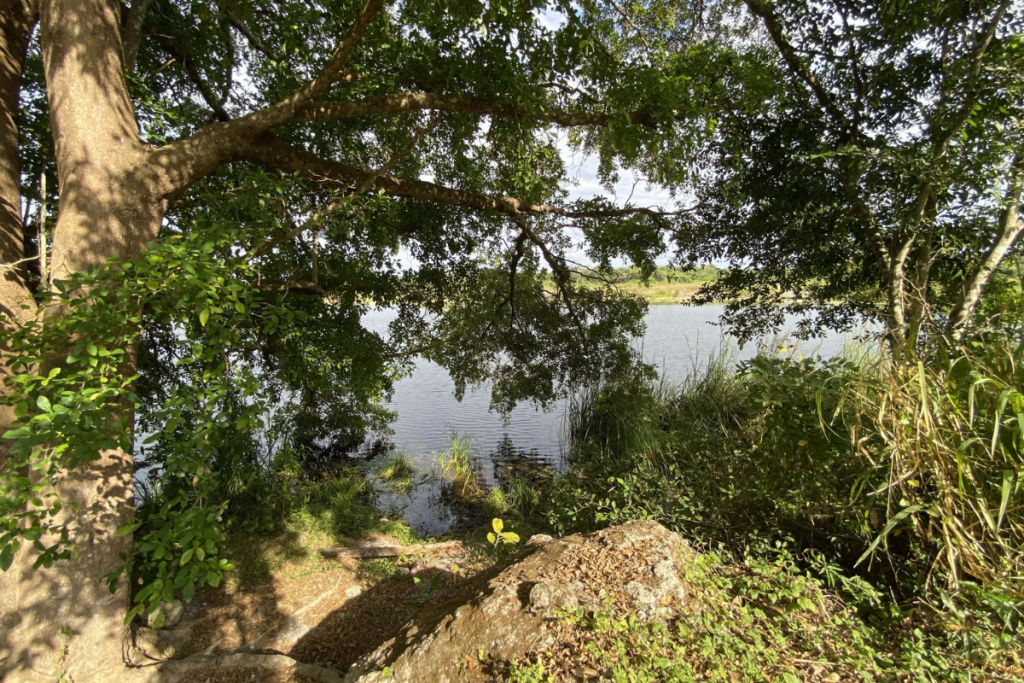
A carbon credit represents one tonne of carbon dioxide (CO2) that has either been removed from, or avoided from entering, the atmosphere. Think of them as certificates of climate action: when a company or individual buys credits, they’re encouraging activities that capture or prevent emissions elsewhere. According to the EPA, offsetting just one tonne of CO2e is equivalent to reducing the consumption of over 100 gallons of gasoline or 1,000 pounds of coal. Nature-based carbon credits do this through reforestation (restoring lost forests), afforestation (establishing new forests), and conservation (protecting threatened ecosystems). Deforestation and other land-use changes account for around 20% of global greenhouse gas emissions. [1] The good news is that we already have some of the most effective tools for reversing this trend: trees themselves.
How Certain Carbon Credits Help Protect Forests
Trees are powerful carbon storage systems. A single mature tree can absorb about 22 kilograms (48 pounds) of carbon dioxide per year. [2] On a global scale, forests collectively store around 30% of the world’s terrestrial carbon. [3] When forests are lost, those stored emissions are released, turning what was once a carbon sink into a carbon source. Deforestation is now responsible for more annual emissions than all the world’s passenger vehicles combined. [4] Planting new trees and protecting existing forests reverses that flow. Reforestation captures carbon while also restoring soil health, improving air quality, preventing erosion, protecting biodiversity, and creating jobs.
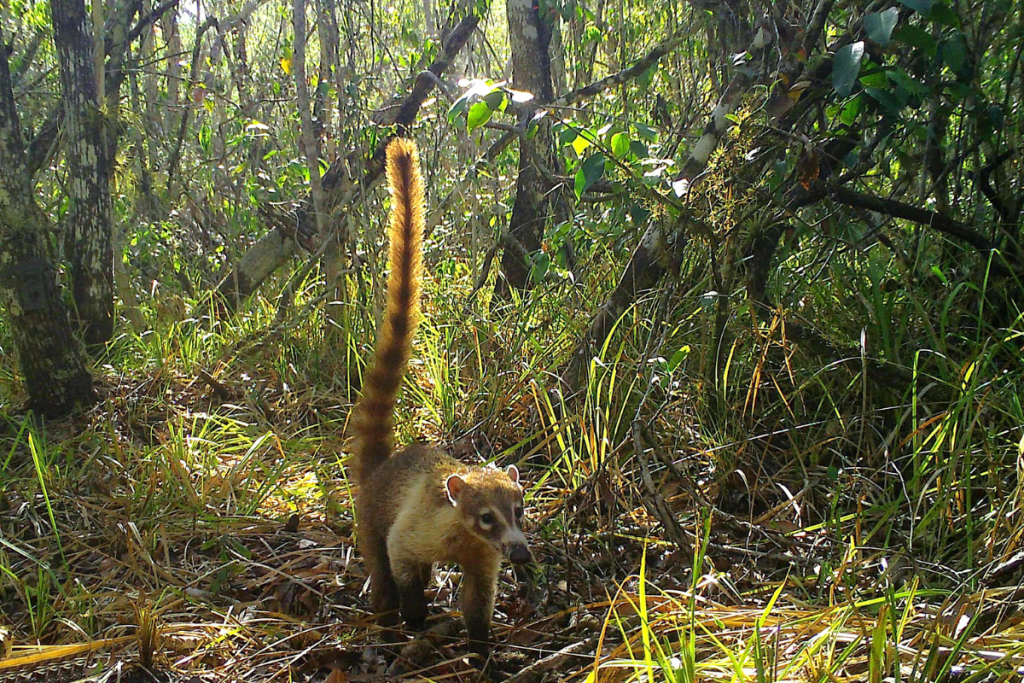
Forests are home to more than 80% of all terrestrial species on Earth, from pollinating insects to apex predators, yet deforestation has pushed countless animals toward extinction as their habitats shrink. Nature-based carbon credit projects help reverse this process by protecting habitat corridors and reconnecting fragmented ecosystems. When forests are safeguarded, so are the homes of creatures and communities that depend on them.
For example, the Aroma del Mayab forestry project in Quintana Roo, Mexico, which combines sustainable forest management, cultural preservation, and community empowerment to protect the region’s forests and wildlife. This project implements reforestation, afforestation, pest control, and fire prevention measures while monitoring species such as jaguars, spider monkeys, and deer. Maya-speaking communities play a central role, applying traditional ecological knowledge that maintains biodiversity and honors their spiritual relationship with the land. The initiative supports over 1,200 families through climate-smart agriculture, ecotourism, and forestry activities, ensuring equitable income generation and leadership opportunities for women.
Protecting biodiversity isn’t just about preserving nature’s beauty; it’s essential for survival. Diverse ecosystems are stronger and more adaptable, able to withstand disease, drought, and extreme temperatures. Pollinators sustain agriculture, and natural predators keep pest populations in check. When biodiversity flourishes, our food security, clean water, and climate resilience all grow stronger.
How You Can Double Your Impact This Earth Month
Here are a few simple ways you can support nature-based climate action:
- Buy verified carbon credits to incentivize reforestation or conservation.
- Plant trees in your local community or support global tree-planting initiatives.
- Reduce your personal emissions through offsetting your air travel or household energy usage.
- Advocate for sustainable policies that encourage local and national leaders to invest in forest conservation.
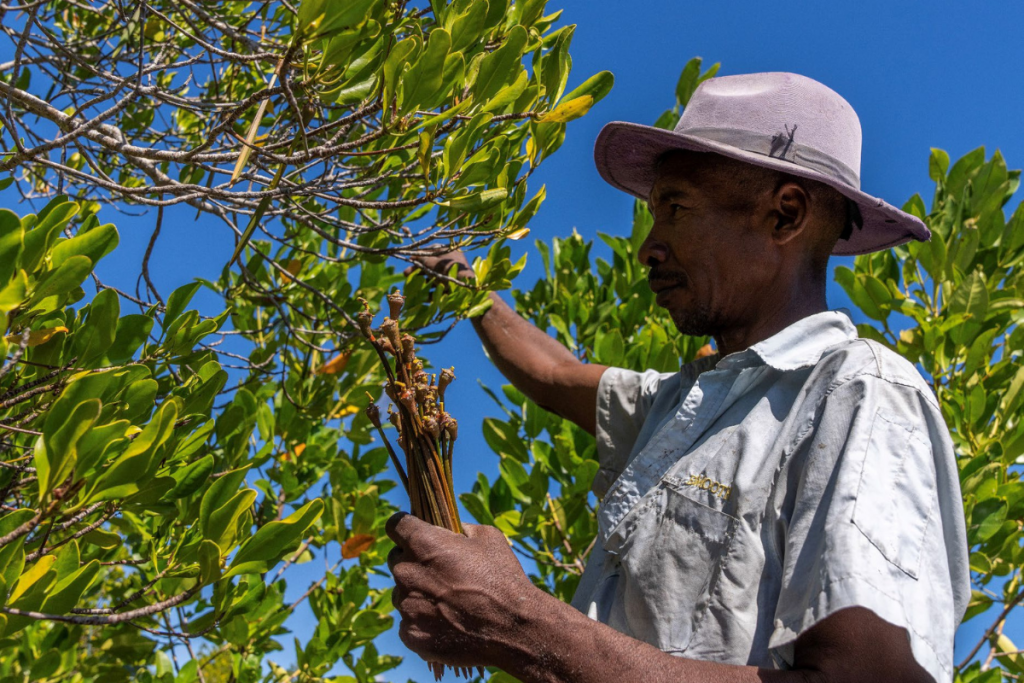
The official theme for Earth Day this year is “Our Power, Our Planet™,” which focuses on collective action to support clean air, clean water, clean energy, protected natural resources, and a stable climate. Every April, ClimeCo celebrates Earth Month with informational content and special promotions focused on sustainability. This year, we are offering a special match on all Carbon Credit purchases made through our eCommerce website. This includes the incredibleAroma del Mayab project mentioned above, as well as other amazing carbon reduction projects. This promotion also features Individual Carbon Offsets (for example, flight and vehicle emissions), our Carbon Footprint Calculators, and even our EcoCommitted™ Small Business Program. Arbor Day is April 24th, making this the perfect time to support our half-price Tree Planting promotion! These great projects focus on restoring mangrove ecosystems through community-based reforestation that also supports local livelihoods and resilience in Madagascar and Mozambique.
Now is the best time of the year to double your impact and support these amazing sustainability projects!
Works Cited
[1] Intergovernmental Panel on Climate Change
[2] U.S. Department of Agriculture
[3] Intergovernmental Panel on Climate Change
[4] SciTechDaily
About the Author
Dustin Zimmer supports the Marketing Team in organizing and implementing a wide range of projects and campaigns, playing a key role in identifying emerging marketing trends, target audiences, and potential markets. He collaborates closely with team members to explore new opportunities for innovation and strategic outreach, ensuring consistent alignment with ClimeCo’s sustainability mission and brand values. In addition to these efforts, Dustin manages and develops content for ClimeCo’s eCommerce website, enhancing the customer experience through engaging product descriptions and educational resources. He also drives the creation of webinar events that showcase industry insights, promote thought leadership, and strengthen ClimeCo’s presence across digital channels.